
✅ Product Overview
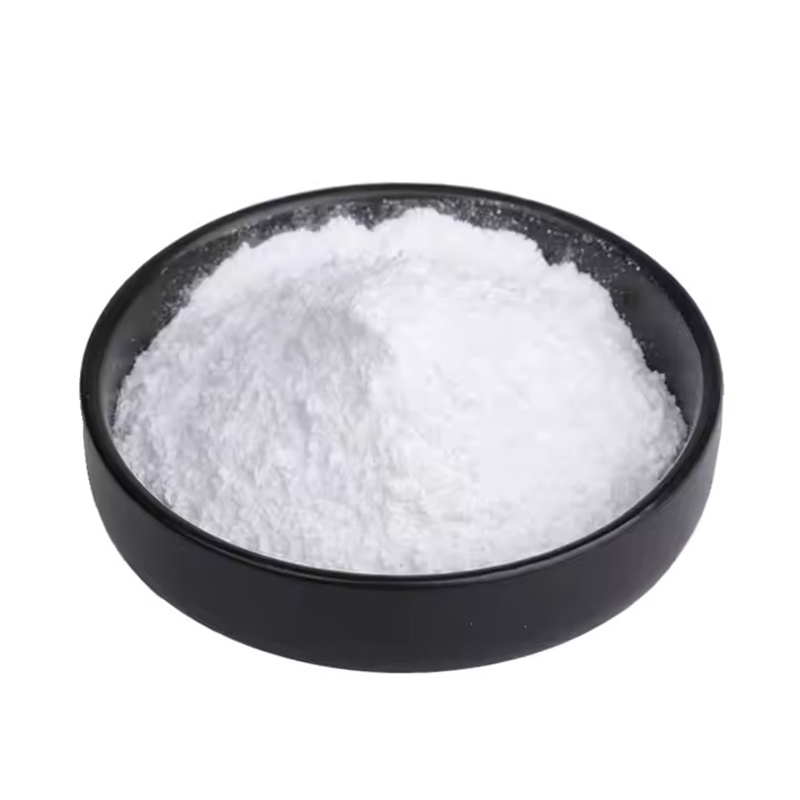
HAP Powder (Hydroxyapatite Powder) is a bioactive ceramic material that mimics the mineral composition of human bone. With exceptional biocompatibility, osteoconductivity, and biodegradability, it is widely used in orthopedic surgery, bone repair, and regenerative medicine. HAP promotes bone tissue regeneration by serving as a scaffold for new bone growth, making it an essential material in orthopedic applications.
🌟 Key Benefits
🔬 1. Excellent Biocompatibility and Osteoconductivity
- Chemically identical to natural bone mineral, ensuring superior biocompatibility.
- Promotes bone cell adhesion and proliferation, enhancing bone integration.
- Gradually biodegrades into calcium and phosphate ions, facilitating natural bone remodeling.
💎 2. Bone Regeneration and Repair
- Highly porous structure allows for vascularization and new bone growth.
- Ideal for bone grafts and implants, providing a scaffold for osteoblast attachment.
- Improves bone density and mechanical strength in defect areas.
⚙️ 3. Customizable Particle Sizes
- 10-50 µm: Suitable for injectable bone fillers or bone cement formulations.
- 50-100 µm: Ideal for coating implants to improve osteointegration.
- 100-300 µm: Used in bone graft substitutes for large bone defects and scaffolding applications.
🛠️ 4. High Purity and Stability
- Produced through high-temperature sintering, ensuring high crystallinity and stability.
- Uniform particle size distribution, offering consistent performance in orthopedic applications.
💉 Applications in Orthopedic Medicine
✨ 1. Bone Graft Substitutes HAP powder is widely used in bone graft materials for filling bone defects and fractures.
- Synthetic bone grafts: Combined with biopolymers or collagen to create biocompatible bone substitutes.
- Bone void fillers: Used to fill cavities after trauma, surgery, or tumor removal.
- Spinal fusion: Improves stability and accelerates bone healing during spinal fusion procedures.
🔩 2. Implant Coating
- HAP powder is applied as a bioceramic coating on orthopedic implants (e.g., hip, knee, and dental implants).
- Enhances osseointegration by promoting direct bone-implant bonding.
- Reduces implant loosening and increases longevity.
💊 3. Injectable Bone Cement
- Mixed with PMMA or other polymer-based cements to create bioactive bone cement.
- Improves mechanical properties and bioactivity of cement.
- Enhances bone regeneration and reduces infection risk.
🦴 4. 3D Printing and Scaffolds
- Used in 3D-printed bone scaffolds to create customized bone grafts.
- Provides a porous structure for cell attachment and tissue growth.
- Suitable for personalized bone implants and tissue engineering.
🛠️ Technical Specifications
- Purity: ≥ 99%
- Particle Size: 10-50 µm / 50-100 µm / 100-300 µm / customizable
- Porosity: Highly porous for better bone ingrowth
- pH: Neutral, ensuring compatibility with human tissue
- Storage: Store in a sealed container, away from moisture and contamination
📊 Comparison with Other Bone Repair Materials
| Parameter | HAP Powder | β-TCP (Beta-Tricalcium Phosphate) | Bioactive Glass |
|---|---|---|---|
| Biocompatibility | ✅ Excellent, fully biocompatible | ✅ Good | ✅ Excellent |
| Osteoconductivity | ✅ Strong, promotes bone growth | ✅ Moderate | ✅ Strong |
| Degradation Rate | ✅ Gradual, supports remodeling | ✅ Faster degradation | ✅ Gradual |
| Application | Bone grafts, implants, cements | Bone void fillers, resorbable grafts | Coatings, bone fillers |
| Mechanical Strength | ✅ High | ⚠️ Moderate | ⚠️ Moderate |
🛒 Product Highlights
- Highly biocompatible and osteoconductive, promoting natural bone healing.
- Multiple particle sizes available for diverse orthopedic applications.
- Superior bone regeneration with gradual degradation.
- Ideal for bone grafts, coatings, and 3D-printed scaffolds.
- Customizable formulations to meet specific orthopedic requirements.
🔥 Contact us today for samples and pricing!
Details
| Shape | Needle-shaped |
|---|
Reviews
There are no reviews yet.